
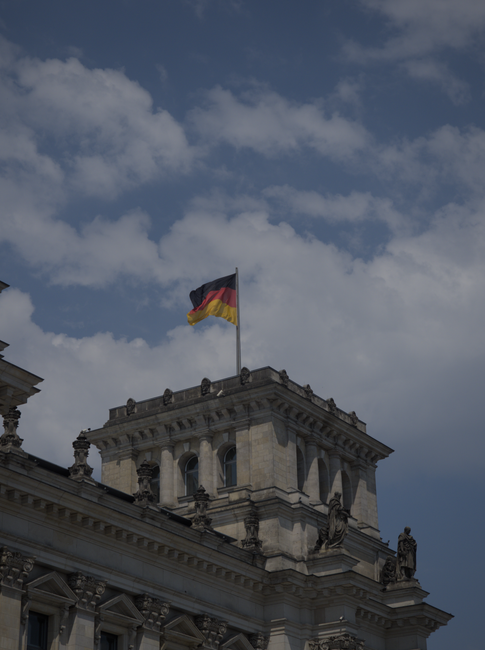
Examining the roots of Hitler’s ascent requires a multi‑layered approach, weaving political discontent, economic distress, and cultural shifts into a coherent narrative. This section outlines the framework that will guide the subsequent analysis of the PDF’s insights. It signals opportunistic exploitation
Objectives and Scope
Our primary goal is to dissect the catalysts that propelled Adolf Hitler from obscurity to dictatorial power, as illuminated by the PDF’s data. The scope encompasses political disarray, economic collapse, social unrest, and ideological currents that converged in the era. By systematically mapping these forces, we aim to reveal how systemic weaknesses within the Weimar framework created fertile ground for extremist narratives. The PDF offers quantitative evidence—economic indices, election statistics, and demographic shifts—paired with insights into propaganda strategies and nationalist rhetoric. We will interrogate the interplay between external pressures, such as the Treaty of Versailles, and internal dynamics, including class divisions and cultural anxieties. Additionally, the analysis will consider the role of media manipulation, legal loopholes, and the strategic use of charismatic leadership. The study is designed to be interdisciplinary, drawing on political science, economics, sociology, and historical methodology. Ultimately, the objective is to produce a nuanced, evidence‑based account that contextualizes Hitler’s rise within broader systemic failures, thereby contributing to a deeper understanding of how extremist movements can exploit crises to seize power.
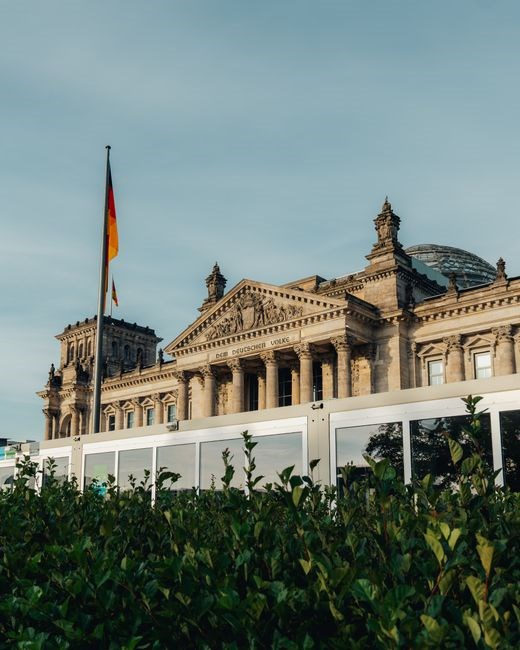
Our primary goal is to dissect the catalysts that propelled Adolf Hitler from obscurity to dictatorial power, as illuminated by the PDF’s data. The scope encompasses political disarray, economic collapse, social unrest, and ideological currents that converged in the era. By systematically mapping these forces, we aim to reveal how systemic weaknesses within the Weimar framework created fertile ground for extremist narratives. The PDF offers quantitative evidence—economic indices, election statistics, and demographic shifts—paired with insights into propaganda strategies and nationalist rhetoric. We will interrogate the interplay between external pressures, such as the Treaty of Versailles, and internal dynamics, including class divisions and cultural anxieties. Additionally, the analysis will consider the role of media manipulation, legal loopholes, and the strategic use of charismatic leadership. The study is designed to be interdisciplinary, drawing on political science, economics, sociology, and historical methodology. Ultimately, the objective is to produce a nuanced, evidence‑based account that contextualizes Hitler’s rise within broader systemic failures, thereby contributing to a deeper understanding of how extremist movements can exploit crises to seize power.
By examining the interplay of political fragmentation, economic distress, and social unrest, the PDF delineates how these conditions created a vacuum that extremist ideologies could fill. It highlights the role of the Treaty of Versailles in exacerbating national humiliation, the hyperinflation that shattered middle‑class confidence, and the cultural anxieties that amplified nationalist sentiment. The analysis underscores the strategic use of propaganda, legal manipulation, and charismatic leadership to coerce public support and dismantle democratic institutions.
The PDF’s quantitative data—economic indices, election statistics, and demographic shifts—are paired with qualitative insights into propaganda strategies and nationalist rhetoric, revealing how systemic weaknesses within the Weimar framework created fertile ground for extremist narratives. By mapping these forces, the study demonstrates the convergence of political, economic, and cultural factors that enabled Hitler’s ascent.
It also scrutinizes the legal framework that permitted the erosion of democratic safeguards, assessing how constitutional loopholes and emergency decrees facilitated the Nazi consolidation of power. By integrating archival documents, statistical analyses, and theoretical perspectives, the study offers a comprehensive lens on the confluence of factors that enabled Hitler’s rise.
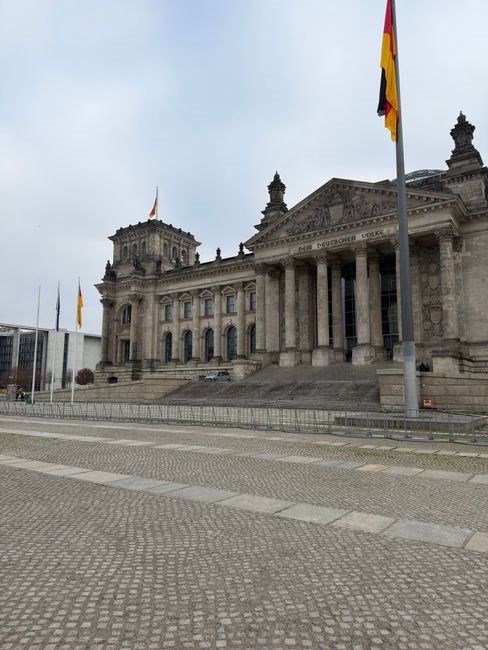
Weimar Republic
Post‑war Germany faced political fragmentation, hyperinflation, and social unrest. The fragile democracy struggled to stabilize, while economic hardship and national humiliation fostered extremist appeal. These conditions set the stage for Hitler’s rise.Fragile democracy fades!
Political and Economic Fragmentation
The Weimar era was marked by a fractured political landscape, where a multitude of parties—ranging from the far‑left Spartacus League to the far‑right Stahlhelm—vied for influence in a fragile parliamentary system. Coalition governments were short‑lived, often collapsing under the weight of ideological discord. Economic turmoil compounded these divisions: the 1923 hyperinflation eroded savings, while the 1929 Great Depression devastated industrial output and unemployment surged beyond 30%. The burden of reparations imposed by the Treaty of Versailles further strained public finances, leading to austerity measures that alienated large swaths of the populace. Social unrest manifested in street clashes, strikes, and the rise of paramilitary groups. Together, these forces created a climate of instability that undermined democratic institutions and opened a path for extremist narratives promising order and national revival.
The multiplicity of political factions, each with its own platform and agenda, fractured the national discourse. Left‑wing parties demanded radical social reforms, while right‑wing groups pushed for a return to pre‑war militarism and racial purity. This ideological split was mirrored in the economy, where industrialists clashed with workers over wages and working conditions, and farmers struggled against market volatility. The resulting social contract was fragile, leaving citizens vulnerable to demagogic promises that offered simplistic solutions to complex problems.
In this volatile environment, the public’s trust in institutions eroded, creating a vacuum that extremist parties could fill with charismatic rhetoric and promises of swift change.
Fragmented state paved way for radical power shift in 1930s now soon!

Treaty of Versailles
The Treaty imposed harsh reparations, territorial losses, and demilitarization, crippling Germany’s economy and national pride. Public resentment fueled nationalist sentiment, creating fertile ground for radical ideologies seeking to overturn the punitive settlement.
Territorial and Financial Repercussions
The Versailles settlement stripped Germany of big territories, reducing its strategic depth and access to vital resources. The loss of these lands not only diminished industrial output but also severed cultural and economic ties that had been cultivated over centuries. The treaty mandated a crippling reparations schedule, demanding payments that exceeded Germany’s capacity to generate revenue. The resulting fiscal strain forced the government to impose heavy taxes, curtail public spending, and devalue the Reichsmark, which in turn spurred inflation and eroded public confidence.
Financially, the treaty’s demands were compounded by the need to rebuild a war‑torn economy. The Allies insisted on German armaments, stifling industrial diversification. The loss of colonies and overseas markets further constrained export opportunities, pushing the country toward protectionist policies that stunted growth. Moreover, the punitive clause that required Germany to accept responsibility for the war created a moral and political burden that delegitimized the Weimar administration in the eyes of many citizens.
The effect of these financial obligations left Germany a state of chronic instability, fostering social unrest and eroding faith in democratic institutions. This environment was exploited by extremist groups who framed the treaty as a national humiliation, rallying support for a big Prussia the.
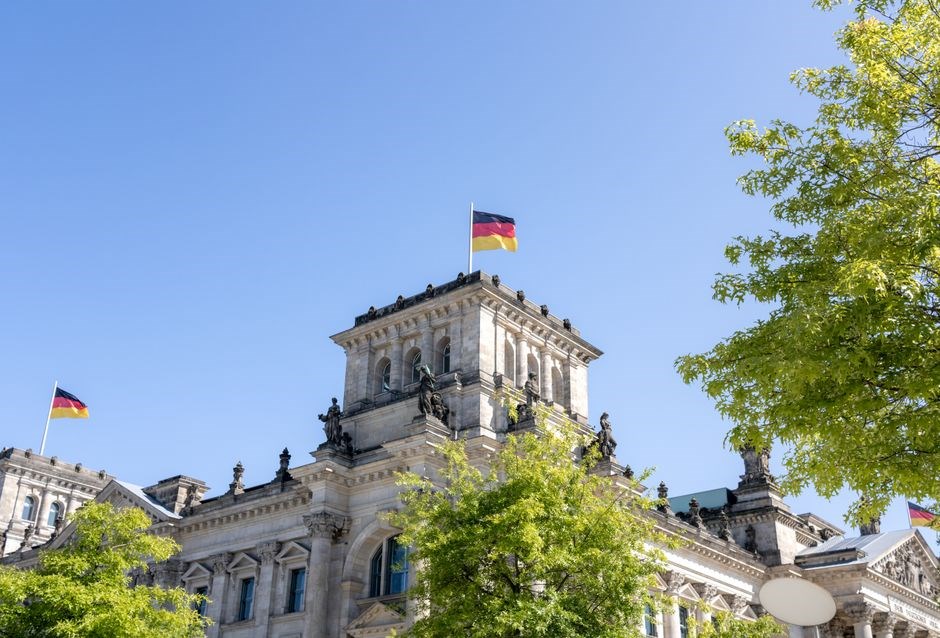
Economic Turmoil
Post‑war Germany faced a cascade of economic shocks: hyperinflation eroded savings, unemployment surged, and industrial output collapsed. The fragile banking system collapsed, credit dried up, and the populace endured a living crisis that amplified social discontent and political radicalization and despair.
Hyperinflation and Depression
In the early 1920s, Germany’s economy was crippled by punitive reparations imposed by the Versailles Treaty, draining revenue and forcing the government to print money at unsustainable rates. Hyperinflation devalued the mark, making everyday goods unaffordable, wiping out savings, and collapsing the middle class. By 1923, the price of a loaf of bread had risen from a few Pfennig to millions of Marks, illustrating the catastrophic loss of purchasing power. The economic collapse fostered disillusionment and created fertile ground for extremist movements promising stability and national pride. The Great Depression of 1929 further exacerbated the situation, as global trade contracted and unemployment surged beyond 30 percent. German banks failed, industrial output fell, and austerity measures deepened public suffering. Hyperinflation and the Depression created a climate of desperation, eroding faith in democratic institutions and paving the way for Nazi propaganda, which capitalized on grievances to rally support. The turmoil served as a catalyst for the radical shift in German society, enabling the rise of a totalitarian regime that profoundly altered the course of history. The economic chaos eroded trust, leaving a void that extremist exploited!!!
Ideological Underpinnings (PDF Analysis)
The PDF dissects Nazi ideology, revealing a blend of racial supremacy, anti‑communism, and mythic nationalism. It traces how propaganda framed Germany’s humiliation as a mission divine mobilizing mass support through emotional manipulation narrative control
Racial Ideology and Nationalism
In the PDF, the analysis delves into how the Nazi movement constructed a pseudo‑scientific racial hierarchy that positioned the “Aryan” as the pinnacle of human evolution. By invoking ancient myths and distorted ethnographic studies, the regime portrayed non‑German peoples—particularly Jews, Slavs, and Roma—as subhuman threats to the purity of the Germanic race. This narrative was not merely a set of abstract beliefs; it was operationalized through a systematic campaign that permeated education, media, and public policy. School curricula were rewritten to emphasize racial theory, while textbooks glorified the supposed superiority of the Germanic lineage. Simultaneously, the propaganda machine exploited nationalistic fervor, presenting the restoration of Germany’s former glory as an inevitable destiny. The intertwining of racial purity with patriotic duty created a powerful motivational engine: citizens were encouraged to view their personal sacrifice as a contribution to the collective racial mission. The PDF also highlights how this ideology was reinforced by state-sponsored events, such as the annual Nuremberg rallies, where mass chants and symbolic gestures reinforced the bond between racial identity and national purpose. By embedding these ideas into everyday life, the regime ensured that the concept of racial nationalism became a shared cultural reality, thereby legitimizing extremist actions and consolidating political power. The PDF maps how ideology became a mobilizing force reshaping society.
Propaganda
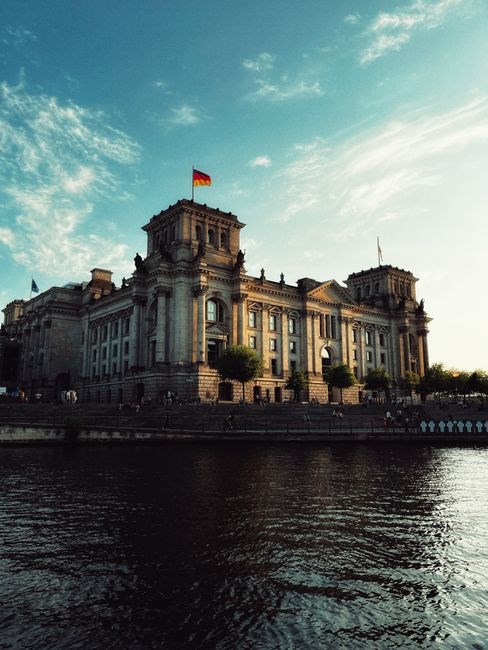
The PDF dissects how the Nazi regime engineered a comprehensive media strategy, blending film, radio, posters, and rallies to shape public perception. By controlling narratives, it amplified fear, glorified leadership, and normalized extremist policies, ensuring mass compliance.!!!
Media Manipulation
By commandeering every channel, the Nazi apparatus turned propaganda into a tool of control. Film dramatized the party’s mythos, juxtaposing the “pure” German citizen against the vilified “other.” Visual media—posters, billboards, newsreels—were placed in squares, train stations, and workplaces, ensuring repeated exposure to the same imagery.
The propaganda machine combined repetition with psychological manipulation. Exploiting fear, hope, and national pride, the Nazis shaped public opinion. Symbols like the swastika and the eagle became shorthand for ideology, allowing complex ideas to be communicated instantly. The regime cultivated a collective identity that transcended individual differences, framing the nation as a unified entity destined for greatness.
Central to the strategy was distortion of facts. Historical narratives were rewritten to emphasize German heroism and victimhood, while contemporary events justified expansion. Control over the press silenced dissenting voices, amplifying outlets. “Propaganda circles”—small groups of artists, writers, and intellectuals—produced content aligned with party goals, serving both creative and surveillance functions.
The impact was profound. Perception of political realities was reshaped, creating a populace that accepted radical policies as natural. The psychological effect of constant, uniform messaging fostered conformity, where deviation from the party line was seen as betrayal. Ultimately, the Nazi propaganda apparatus proved decisive in mobilizing support, legitimizing actions, and maintaining control over German society.
By embedding ideology into popular culture, the Nazis turned everyday entertainment into a indoctrination tool, that even casual media consumers were conditioned to accept the party’s worldview.
The relentless repetition of these messages ensured that the Nazi narrative became ingrained in consciousness, making dissent appear as a threat to national unity.!!
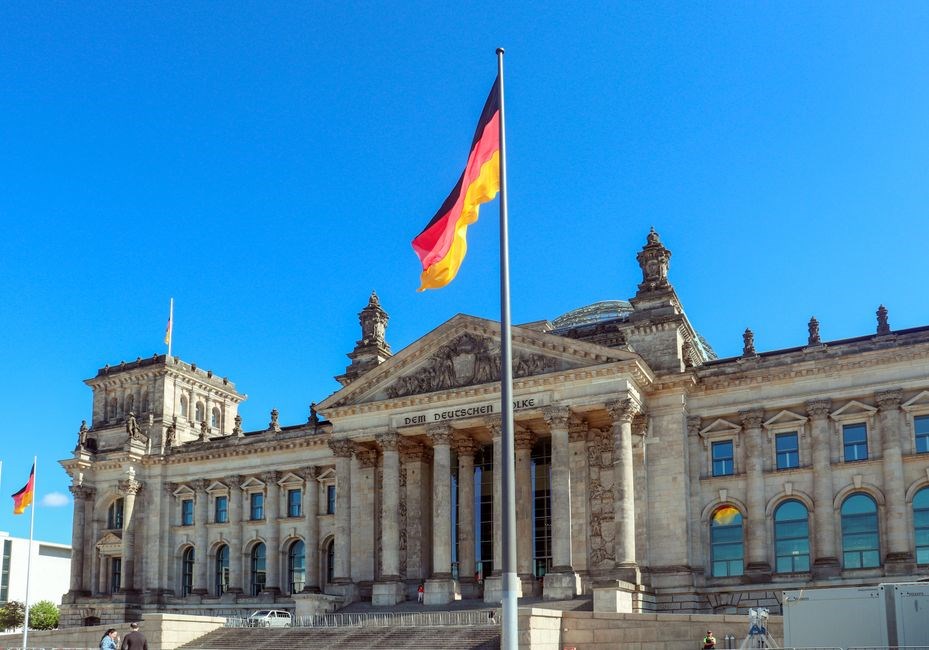
Final analysis underscores how economic despair, political fragmentation, and propaganda converged to create a fertile ground for radical ideology. The PDF reveals that systemic weaknesses, not isolated events, enabled Hitler’s rise, offering cautionary lessons for contemporary societies.!
The PDF’s comprehensive examination reveals that Hitler’s rise was not a sudden eruption but the culmination of prolonged systemic failures. Economic collapse, exemplified by the hyperinflation crisis and the Great Depression, eroded public confidence in democratic institutions. Political fragmentation, with a multiplicity of parties unable to form stable coalitions, created a vacuum that extremist movements could exploit. The Treaty of Versailles imposed punitive reparations and territorial losses, fostering a sense of national humiliation that the Nazi narrative weaponized. Cultural anxieties over perceived moral decline and the threat of minority groups were amplified through sophisticated propaganda mechanisms, which leveraged mass media to disseminate nationalist and racial ideologies. The PDF’s analysis underscores that these factors were interdependent; each reinforced the other, creating a feedback loop that accelerated the erosion of democratic norms. The implications extend beyond historical curiosity: they serve as a stark reminder that fragile democracies must address economic inequities, maintain inclusive governance, and guard against demagogic rhetoric. Failure to do so can lead to the erosion of civil liberties and the rise of authoritarianism. The document concludes by urging contemporary policymakers to remain vigilant, ensuring that the lessons of the past are internalized and applied to safeguard democratic resilience; The PDF’s findings show fragile democracies must heed economic signals and resist demagogues today. Now!!

Lessons Learned
Historical analysis of the PDF underscores that the convergence of economic distress, political fragmentation, and ideological manipulation created a fertile ground for extremist takeover. The document stresses that democratic institutions must remain resilient by ensuring economic stability, fostering inclusive political dialogue, and maintaining robust checks on media influence. It warns that unchecked nationalism can erode civil liberties, while punitive reparations may fuel resentment. The PDF urges contemporary societies to monitor economic indicators, promote transparent governance, and counter disinformation with fact‑based communication. By institutionalizing safeguards against demagogic rhetoric, societies can preserve democratic norms and prevent the repeat of authoritarian ascendancy. The lessons emphasize vigilance, accountability, and proactive engagement to protect the integrity of democratic systems. In light of these findings, modern policymakers must cultivate a culture of resilience that balances economic pragmatism with moral vigilance, ensuring that the lessons of history are not merely academic but serve as a living compass guiding future governance toward inclusive, transparent, and accountable institutions that can withstand the seductive allure of authoritarian narratives while safeguarding the fundamental rights and freedoms that underpin democratic societies. Ultimately, the PDF reminds us that vigilance daily and responsibility are essential tools to prevent the return of totalitarian ideologies!