
Series Overview

The Mason-Dixon Knitting Field Guide series offers a curated blend of patterns, stories, and techniques, appealing to knitters of all levels. Each volume presents fresh ideas—from lace to colorwork—while celebrating regional yarn traditions. Accessible PDFs and print editions ensure wide reach. Enjoy!!!
Core Themes and Inspirations

The Mason‑Dixon Knitting Field Guide series draws on a rich tapestry of regional heritage, contemporary design, and the timeless joy of hand‑knitted creation. Each volume celebrates the interplay between tradition and innovation, encouraging knitters to explore new textures, colorways, and stitch techniques while honoring the cultural stories embedded in the Southern fabric of the United States. The core themes revolve around three pillars: heritage, creativity, and community. Heritage is reflected in the use of locally sourced fibers, historic stitch patterns, and references to the Mason‑Dixon line’s symbolic significance. Creativity is showcased through modern adaptations of classic motifs, experimental colorwork, and the integration of contemporary materials such as recycled yarns and technical fibers. Community emerges through shared projects, collaborative patterns, and the encouragement of knitters to contribute their own stories, ensuring the series remains a living, evolving dialogue. By weaving these elements together, the Field Guides invite readers to not only learn new skills but also to participate in a broader conversation about identity, sustainability, and the enduring power of knitting to connect people across time and place.
- Regional yarns bring authenticity and support local fiber producers.
- Modern stitch variations push boundaries of texture and visual interest.
- Collaborative projects foster community and shared learning.
- Eco‑friendly practices encourage sustainable knitting habits.
- Storytelling links each pattern to a place or tradition.
Explore, create, share and learn.
Publication History and Editions
The Mason‑Dixon Knitting Field Guide series began its journey in the early 2010s, with the inaugural volume released in 2014. Since then, the series has grown to include over a dozen titles, each building on the previous work while introducing fresh themes and techniques. The first edition was a modest print book, later made available as a free PDF download to broaden accessibility. Subsequent editions have been released annually, often in both hardcover and digital formats, allowing knitters to choose their preferred medium. Notably, the 2021 release of Field Guide No. 6: Transparency marked a shift toward more experimental transparency techniques, while the 2020 edition of Field Guide No. 11: Wanderlust introduced 13 modern sock patterns. The 2022 edition of Field Guide No. 13: Heart and Spirit expanded the color palette with 20 new charts and six stripe designs. Each edition is accompanied by a companion website featuring video tutorials, downloadable patterns, and community forums. The series’ commitment to sustainability is evident in its use of recycled paper for print editions and the inclusion of eco‑friendly yarn recommendations in the PDFs. The latest 2024 update added a new section on digital knitting tools, reflecting the growing intersection of technology and handcraft. Overall, the publication history showcases a dynamic evolution that balances tradition with innovation, ensuring the Mason‑Dixon Field Guide remains a vital resource for knitters worldwide. Each edition is printed on and includes a QR code linking to video content. The PDFs are optimized for desktop viewing, allowing knitters to view on the go. free All
Field Guide No. 6: Transparency
Field Guide No. 6 “Transparency” released in 2021 explores light, warmth, knitting. Authored by Kay Gardiner and Ann Shayne, it showcases transparent stitch techniques, color‑wash methods, open‑pattern designs that invite breathability and visual depth today.
Authors and Contributors

Kay Gardiner, a celebrated yarn‑artist, brings her mastery of color‑wash and open‑stitch techniques to Field Guide No. 6. Her background in textile design and her passion for sustainable fibers inform every pattern. Ann Shayne, a seasoned knitting educator, contributes instructional clarity and a focus on community‑building. Together, they weave a narrative that balances technical depth with accessible storytelling. The guide also features contributions from regional yarn makers, including a collaboration with local cooperatives that supply hand‑dyed, translucent yarns. Their combined expertise ensures that readers not only learn new stitches but also appreciate the cultural context of transparency in knitting. The authors’ collaborative process involved iterative pattern testing, feedback from beta knitters, and a commitment to eco‑friendly practices. Their shared vision is to inspire knitters to experiment with lightness, layering and the subtle interplay of color and texture. The result is a resource that invites both beginners and seasoned artisans to explore the nuanced art of transparent knitting, while fostering a sense of community and environmental stewardship. Readers will find that each pattern is accompanied by detailed stitch diagrams, recommended yarn weights, and step‑by‑step photos that illustrate the transparent effect, ensuring even novice knitters can confidently create airy, elegant pieces that celebrate light and texture. The guide also includes a printable color chart for each pattern, helping knitters match yarns precisely.!!
Key Transparency Techniques
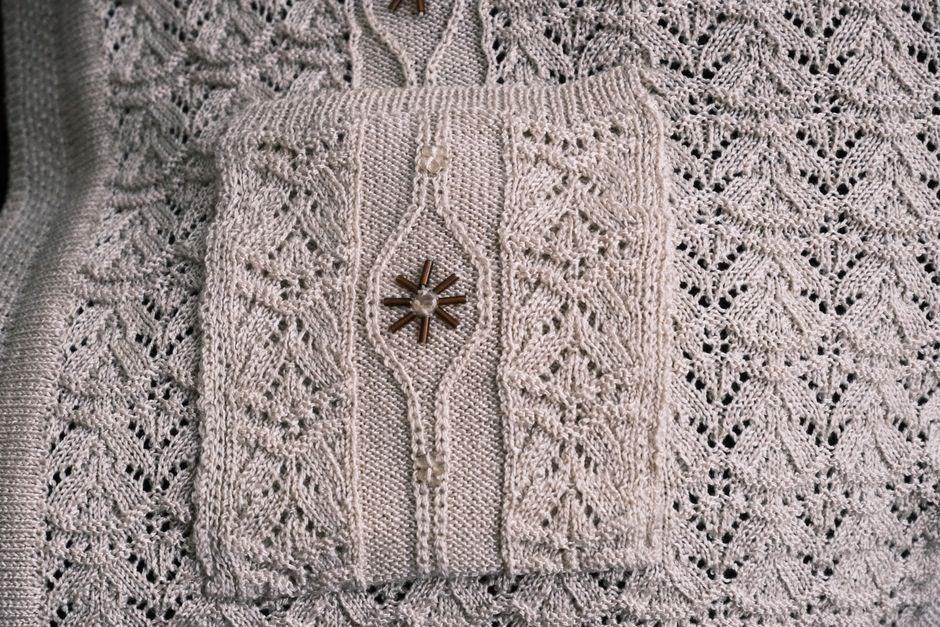
Field Guide No. 6 showcases methods that let yarn glow through stitches. The first is open‑stitch lace, creating a lattice that refracts light for a subtle sheen. The guide details how to combine slip‑stitch and decreasing techniques to maintain tension while preserving openness. Next, color‑wash transparency is introduced. By applying a translucent dye to a single yarn, knitters can achieve a gradient effect that appears lighter from the front and darker from the back. The PDF includes a step‑by‑step dyeing protocol, recommended dye brands, and safety precautions. Another technique is open‑ribbing, where alternating knit and purl rows are spaced to create airy ribbing that can be worn as a shawl or scarf. The guide explains how to adjust stitch gauge to control the amount of visible yarn. For a dramatic effect, loom‑woven panels are incorporated. These panels are knitted separately and sewn into the main project, using highly translucent yarns that catch ambient light. The PDF provides a diagram of the panel layout, recommended yarn weights, and a sewing guide that keeps seams invisible. Finally, the guide emphasizes the importance of fiber choice. Natural fibers such as silk, bamboo, and hemp are highlighted for their translucency. The authors recommend yarn blends that balance softness with lightness, and include a comparison chart that helps knitters select the right yarn for each project. Together, these techniques empower knitters to create garments that are both functional and visually striking, turning everyday knitting into a celebration of light and texture. Readers can experiment freely, knowing each pattern offers beauty!

Field Guide No. 11: Wanderlust
Explore 13 modern sock patterns, each blending contemporary stitchwork with playful motifs. The PDF guides you through color palettes, texture tricks, and regional yarn inspirations, turning everyday socks into wearable adventures. Download now! Join the journey, knit!.
13 Modern Stitch Patterns for Socks
Discover a curated selection of thirteen contemporary sock designs, each crafted to showcase innovative stitchwork while maintaining comfort and durability. These patterns blend classic techniques—such as ribbing, seed stitch, and garter—with modern twists like color‑blocking, subtle cables, and textured motifs. The PDF guide provides clear, step‑by‑step instructions, stitch diagrams, and yarn recommendations, enabling knitters of all skill levels to create stylish, wearable pieces. Whether you prefer a minimalist aesthetic or bold, eye‑catching patterns, this collection offers something for every taste. Each design includes a brief history of its inspiration, tips for customizing colorways, and suggested yarn weights, ensuring that you can adapt the patterns to your personal style and local fiber availability. The guide also highlights how to incorporate sustainable practices, such as using natural dyes or recycled yarns, to reduce environmental impact while still achieving vibrant results. By following these patterns, knitters can expand their repertoire, experiment with new textures, and enjoy the satisfaction of producing high‑quality socks that reflect contemporary design trends.
These designs also feature adjustable cuffs, knitters can tailor fit and comfort. The guide suggests using lightweight merino or bamboo blends for breathability, while heavier wool or alpaca options provide warmth for colder climates. Each pattern includes stitch count tables and recommended gauge to ensure precise sizing.
Color and Texture Exploration
In the Mason‑Dixon Knitting Field Guide, color and texture are treated as dynamic storytelling tools. The PDF offers a palette of regional yarns—from earthy looms to vibrant hand‑dyed fibers—each accompanied by a narrative that explains how light, shade, and fiber composition influence the final look. Readers learn to pair complementary hues, create gradient fades, and apply color‑blocking techniques that emphasize stitch patterns. Texture exploration is equally rich: the guide presents a series of stitch combinations—seed, moss, and ribbing—layered to produce depth and movement. Detailed diagrams illustrate how to weave cables into flat fabrics, how to integrate lace motifs without compromising structure, and how to use stitch repeats to build three‑dimensional effects. The PDF also includes a section on fiber blends, explaining how mixing wool with alpaca or silk can alter drape, weight, and sheen. Practical tips for dyeing, such as natural plant dyes and eco‑friendly mordants, are provided, allowing knitters to experiment safely. By combining these color and texture strategies, the guide empowers knitters to create garments that are not only functional but also visually engaging and emotionally resonant.
It presents a color wheel exercise that helps knitters match complementary and analogous shades, ensuring harmonious designs. Texture-wise, the PDF details how to create subtle gradients by varying stitch tension, and how to incorporate surprise elements like hidden cables or small lace inserts; It also offers a section on sustainability, outlining how to select ethically sourced yarns and how to recycle old projects into new textures. By integrating these techniques, knitters can push creative boundaries while staying mindful of environmental impact. Enjoyexploring

Field Guide No. 13: Heart and Spirit
Explore vibrant yarns, bold patterns, and soulful designs in this PDF. It features 20 charts, 6 stripe layouts, and regional stories that inspire creativity. Download now for free and weave heart into every stitch. It also highlights yarn stories, weaving heritage.
20 Charts and 6 Stripe Designs
Within the Heart and Spirit volume, the twenty charts serve as a visual roadmap, each chart crafted to showcase a distinct stitch or motif that can be adapted across multiple projects. From intricate cable twists to delicate lace motifs, the charts provide step‑by‑step guidance, allowing knitters to experiment with texture, tension, and color placement. The six stripe designs are woven throughout the guide, offering a palette of horizontal and diagonal patterns that add depth and contrast to garments. These stripes are not merely decorative; they are functional, designed to enhance the structural integrity of sweaters, scarves, blankets, and other knitwear while celebrating the heritage of regional yarns. Each stripe pattern is accompanied by a brief narrative that explains its cultural significance, the yarns best suited for its execution, and tips for achieving the desired width and placement. The combination of charts and stripes creates a dynamic toolkit that encourages knitters to blend traditional techniques with contemporary aesthetics, resulting in pieces that are both timeless and uniquely personal; By integrating these elements, the guide invites readers to explore the interplay of color, texture, and form, fostering a deeper appreciation for the craft and the stories woven into every stitch. Whether you are a seasoned artisan or a beginner eager to learn, the Heart and Spirit guide offers a wealth of inspiration and practical tools to elevate your knitting practice. These charts also show how to vary stitch density and color gradients, giving knitters tools to craft nuanced textures. subtle playfulness!.
PDF Availability and Accessibility
Free PDFs of each Mason‑Dixon Field Guide volume are downloadable, searchable, and screen‑reader friendly, ensuring instant access on any device. Print copies are also available for those preferring paper. All files support long‑term archiving and a start guide!!!!??
Download Options and Formats
For advanced knitters, the PDF includes embedded video links to tutorial clips hosted on the publisher’s YouTube channel, enhancing learning.