
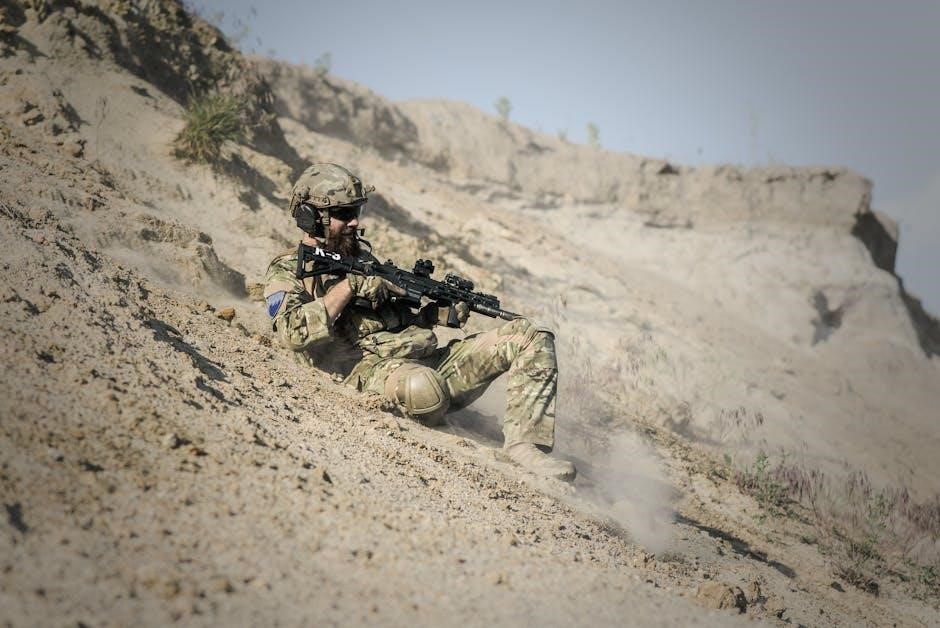
Navy CASREP Instruction: A Comprehensive Guide
This instruction details policy for preparing and submitting casualty reports (CASREP), complementing existing status reporting. Accurate, up-to-date operational status relies heavily on timely casualty information for effective Navy force utilization.
CASREP, or Casualty Reporting, is a critical component of maintaining operational readiness within the United States Navy. It’s a formalized system designed to quickly and accurately disseminate information regarding any event that degrades a unit’s ability to perform its assigned mission. This encompasses a broad spectrum of incidents, ranging from personnel casualties – injuries or deaths – to equipment failures impacting a vessel or squadron’s capabilities.
The core principle behind CASREP is to provide commanders at all levels with a clear, concise, and timely understanding of the current status of their forces. This allows for informed decision-making, efficient resource allocation, and proactive mitigation of potential risks. Effective CASREP reporting isn’t merely about documenting incidents; it’s about enabling a rapid and effective response to ensure continued operational effectiveness; It supplements other reporting mechanisms, providing a focused view on events impacting unit readiness.
Purpose of CASREP Reporting
The primary purpose of CASREP reporting is to maintain an accurate and current operational status picture for all Navy units. This isn’t simply administrative; it directly impacts the ability to effectively employ naval forces and respond to evolving situations; Timely reporting allows commanders to assess the impact of casualties – both personnel and equipment – on mission readiness and adjust plans accordingly.
CASREP facilitates informed decision-making regarding resource allocation, repair priorities, and potential operational limitations. It enables a swift response to mitigate risks and minimize disruptions. Furthermore, accurate casualty data is vital for long-term trend analysis, identifying systemic issues, and improving safety protocols. The system supports both immediate operational needs and continuous improvement efforts within the fleet, ensuring sustained combat effectiveness.
CASREP and Operational Status
CASREP reporting is inextricably linked to maintaining a clear and precise operational status for each unit within the Navy. An up-to-date status isn’t merely a logistical detail; it’s foundational to effective command and control. Casualty information – encompassing personnel injuries, equipment failures, and material deficiencies – directly influences a unit’s ability to perform its assigned mission.
Accurate CASREP data allows fleet commanders to quickly assess the impact of these casualties on overall readiness. This enables informed decisions regarding tasking, resource allocation, and potential adjustments to operational plans. Without timely and reliable CASREP reports, commanders operate with incomplete information, increasing risk and potentially compromising mission success. The system ensures a dynamic and realistic understanding of fleet capabilities.
References and Complementary Instructions
This CASREP instruction doesn’t exist in isolation; it’s designed to work in concert with several other key Navy directives and reporting systems. Reference (a) provides further detail and clarification, while References (b), (c), and (d) outline broader status reporting requirements that CASREP supplements. Understanding these interconnected guidelines is crucial for comprehensive and compliant reporting.
Specifically, personnel casualty reporting (PCR) procedures, detailed in instructions for submission to Navy Personnel Command (NAVPERSCOM) and utilizing the Defense Casualty Information Processing System (DCIPS), are directly linked to CASREP. Additionally, Commander Naval Surface Forces instructions provide specific guidance on equipment casualty reporting procedures. Adherence to all referenced materials ensures a holistic and accurate portrayal of unit readiness and operational status across the fleet.
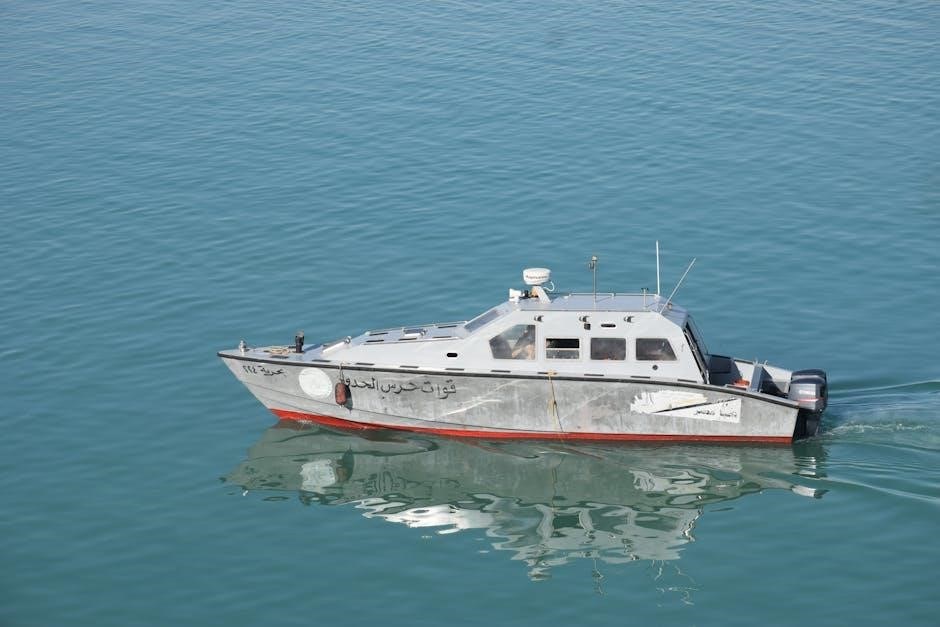
CASREP Message Preparation
Effective CASREP reporting demands meticulous attention to content and formatting, ensuring clarity and prompt dissemination of vital casualty information throughout the naval command structure.
Content Requirements for CASREP Messages
CASREP messages necessitate comprehensive and precise details to facilitate informed decision-making. These reports must include a complete accounting of personnel casualties, submitted via the Defense Casualty Information Processing System (DCIPS) to Navy Personnel Command (NAVPERSCOM) and the Navy Casualty Assistance Office (PERS-00C).
Furthermore, detailed accounts of equipment casualties are crucial, adhering to guidelines outlined in Commander Naval Surface Forces Instructions. Reports should specify the nature of the damage, operational impact, and required repairs. Accurate reporting extends to Military Sealift Command (MSC) and USCG vessels undergoing maintenance, detailing repair authorizations and mission implications.
Crucially, messages must clearly articulate the unit’s current operational status, linking casualty information to overall readiness. This ensures a holistic understanding of fleet capabilities and potential limitations. Thoroughness and accuracy are paramount for effective casualty reporting.
Formatting Guidelines for CASREP
Adherence to standardized formatting is vital for efficient CASREP processing and dissemination. Messages should employ a clear, concise structure, prioritizing readability and minimizing ambiguity. While specific formats may evolve, consistency remains paramount; Utilize established templates for common casualty scenarios to ensure all required information is included.
Pay close attention to message priority levels, as these dictate routing and response times. Properly classifying a CASREP – whether routine, urgent, or emergency – ensures appropriate attention from receiving commands. Maintain brevity while remaining thorough; avoid unnecessary jargon or verbose descriptions.
Ensure all data fields are accurately populated and conform to prescribed standards. Proper formatting facilitates automated processing and data analysis, enhancing situational awareness across the fleet. Regularly review and update formatting knowledge to remain compliant with current instructions.
Priority Levels of CASREP Messages
CASREP messages are categorized by priority to ensure timely response and resource allocation. Understanding these levels is crucial for accurate reporting and effective command decision-making. The highest priority, typically designated as “Emergency,” signifies an immediate threat to life or mission critical systems, demanding instantaneous action.
“Urgent” priority indicates a significant operational impact requiring prompt attention, but not posing an immediate life-threatening situation. “Routine” priority covers less critical casualties that, while requiring repair, do not significantly impede current operations. Proper prioritization streamlines the reporting process.

Incorrectly assigning a priority level can delay response or divert resources unnecessarily. Commanders must carefully assess the impact of each casualty before assigning a priority. Adherence to established guidelines ensures efficient communication and optimal resource management throughout the fleet.
Submission Methods for CASREP
CASREP messages utilize various submission methods, adapting to operational environments and technological capabilities. Historically, traditional communication channels like naval message formats were primary, but modern systems are increasingly prevalent.
The Defense Casualty Information Processing System (DCIPS) serves as a key platform for personnel casualty reporting (PCR) submissions to Navy Personnel Command (NAVPERSCOM). Secure communication networks facilitate rapid transmission of sensitive information. Units must ensure compliance with current cybersecurity protocols during submission.
Specific procedures may vary based on fleet command directives and the type of casualty reported. Familiarity with applicable instructions is paramount. Proper formatting and adherence to established protocols are essential for efficient processing and accurate data recording. Timely submission is critical for maintaining an accurate operational status picture.
Personnel Casualty Reporting (PCR)
PCR submissions are directed to Navy Personnel Command (NAVPERSCOM) via the Defense Casualty Information Processing System (DCIPS), ensuring timely and accurate personnel status updates.
PCR Submission to NAVPERSCOM
Submitting Personnel Casualty Reports (PCRs) to Navy Personnel Command (NAVPERSCOM) is a critical component of maintaining accurate personnel accountability and providing essential support to affected service members and their families. This process utilizes the Defense Casualty Information Processing System (DCIPS), a secure and centralized platform designed for efficient data management and dissemination.
Proper PCR submission ensures NAVPERSCOM and the Navy Casualty Assistance Office (PERS-00C) have the necessary information to initiate appropriate care and assistance programs. Timely reporting is paramount, as delays can hinder the delivery of vital services. The DCIPS system facilitates streamlined communication and coordination, enabling a rapid response to casualty events. Accurate and complete PCRs are essential for fulfilling the Navy’s commitment to its personnel and their loved ones, especially during times of crisis.
Defense Casualty Information Processing System (DCIPS)
The Defense Casualty Information Processing System (DCIPS) serves as the central hub for managing and disseminating personnel casualty information across the Department of Defense, including the Navy. This secure, web-based system streamlines the reporting process, ensuring timely and accurate data transmission to relevant authorities, such as Navy Personnel Command (NAVPERSCOM) and the Navy Casualty Assistance Office (PERS-00C).
DCIPS facilitates efficient coordination and support for affected service members and their families by providing a standardized platform for reporting, tracking, and managing casualty events. Utilizing DCIPS ensures compliance with established protocols and enables a rapid response to evolving situations. Its robust security features protect sensitive information, while its user-friendly interface simplifies data entry and retrieval. Proper training on DCIPS procedures is crucial for all personnel responsible for submitting PCRs.
Information Required for PCR
A comprehensive Personnel Casualty Report (PCR) demands meticulous detail to ensure accurate record-keeping and effective support. Essential data points include the service member’s full name, rank, social security number, and date of birth. Precise details regarding the incident – date, time, location, and a thorough description of the event – are paramount.
The report must clearly state the nature of the casualty (killed in action, wounded, missing, etc.) and the extent of injuries sustained, if applicable. Command reporting information, including unit identification and contact details, is also required. Accurate reporting of next-of-kin information, including names, addresses, and phone numbers, is critical for notification procedures. Completeness and accuracy are vital; any omissions or errors can significantly delay assistance and support for affected personnel and their families.
Coordination with Navy Casualty Assistance Office (PERS-00C)
Effective coordination with the Navy Personnel Command’s (NAVPERSCOM) Casualty Assistance Office (PERS-00C) is crucial throughout the entire casualty reporting process. PERS-00C serves as the central point of contact for all personnel casualty matters, providing guidance and support to commands and families.
Commands must promptly notify PERS-00C upon learning of a casualty, initiating the formal reporting process via the Defense Casualty Information Processing System (DCIPS). PERS-00C will then validate the information, coordinate with relevant agencies, and facilitate notification of next of kin. Maintaining open communication with PERS-00C ensures a streamlined and compassionate response. They offer assistance with administrative tasks, counseling services, and travel arrangements for family members. Timely and accurate information flow to PERS-00C is paramount for effective casualty care.

Equipment Casualty Reporting
Commander Naval Surface Forces instructions provide guidance on reporting equipment failures, outlining procedures for messages and authorizing repairs at overseas maintenance facilities for MSC and USCG ships.
Commander Naval Surface Forces Instructions
The Commander Naval Surface Forces Pacific/Commander Naval Surface Forces Atlantic Instruction is a cornerstone of effective equipment casualty reporting within the Navy. This vital guidance details specific procedures for crafting and submitting equipment casualty messages, ensuring a standardized approach across all surface forces. It’s designed to facilitate rapid assessment and response to material deficiencies that could impact operational readiness.
These instructions aren’t merely procedural; they emphasize the importance of clear, concise reporting to enable accurate diagnosis and efficient repair. The instruction outlines what information must be included in a CASREP related to equipment failures, covering details like the affected system, the nature of the casualty, and any immediate impacts on the ship’s capabilities.
Furthermore, the instruction authorizes designated overseas maintenance facilities to perform repairs on Military Sealift Command (MSC) and United States Coast Guard (USCG) vessels operating in support of Navy missions, streamlining the repair process and minimizing downtime. Adherence to these instructions is paramount for maintaining fleet readiness and ensuring the continued effectiveness of naval operations.
Reporting Procedures for Equipment Casualties
Effective reporting of equipment casualties hinges on a structured process, beginning with immediate notification to the appropriate chain of command. Following initial notification, a formal Casualty Report (CASREP) message must be prepared and submitted, adhering strictly to established formatting guidelines. This message should detail the specific equipment affected, a comprehensive description of the failure, operational impact, and any attempted corrective actions.
Accuracy and clarity are paramount; ambiguous or incomplete reports can delay effective support. The reporting procedure emphasizes the need to categorize the casualty based on severity and potential impact on mission capabilities. This categorization dictates the priority level assigned to the CASREP, influencing the speed of response.
Subsequent to initial reporting, continued updates are crucial, particularly if the situation evolves. Maintaining a clear audit trail of all reported casualties and associated actions is essential for tracking repair progress and identifying recurring issues. Proper adherence to these procedures ensures efficient resource allocation and minimizes operational disruptions.
Maintenance Facility Authorization
This instruction authorizes designated overseas maintenance facilities to perform repairs on vessels belonging to the Military Sealift Command (MSC) and the United States Coast Guard (USCG). These facilities support missions directly benefiting the Navy, necessitating clear guidelines for casualty reporting and repair authorization. The scope of authorized repairs is defined by facility capabilities and pre-approved certifications, ensuring quality and adherence to Navy standards.
Prior to commencing any repair work, facilities must verify CASREP reporting requirements are met, including proper documentation of the casualty and coordination with relevant authorities. This verification process confirms the repair falls within the facility’s authorized scope and aligns with operational needs.
Maintaining detailed records of all repairs, including parts used, labor hours, and completion dates, is crucial for tracking maintenance costs and identifying potential systemic issues. This data contributes to improved fleet readiness and informed decision-making regarding future maintenance strategies.
Military Sealift Command (MSC) and USCG Support
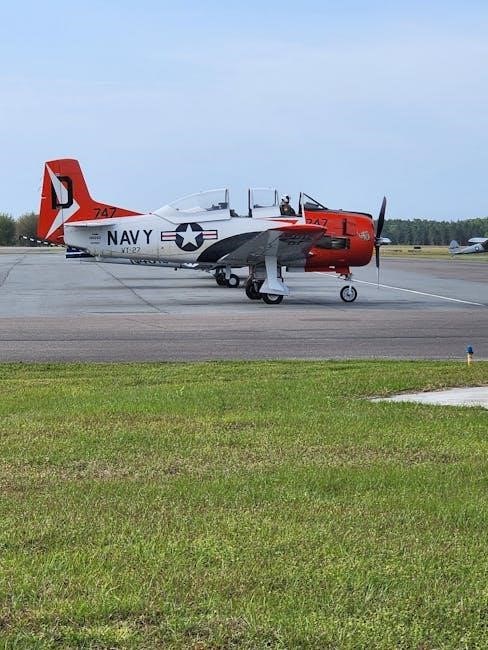
This instruction recognizes the vital support provided by the Military Sealift Command (MSC) and the United States Coast Guard (USCG) to Navy operations. Overseas maintenance facilities are authorized to conduct repairs on MSC and USCG vessels and service craft engaged in missions directly supporting the Navy’s objectives. This collaborative approach ensures continued operational capability across all supporting forces.
Effective CASREP reporting is paramount when addressing casualties on MSC and USCG assets. Accurate and timely reporting facilitates swift repair actions, minimizing downtime and maintaining mission effectiveness. Facilities must adhere to established Navy CASREP procedures when documenting and reporting any equipment failures or operational deficiencies.
Coordination between Navy, MSC, and USCG personnel is essential throughout the repair process. Clear communication channels and shared understanding of repair priorities contribute to efficient resource allocation and successful mission outcomes. This collaborative spirit strengthens overall fleet readiness.
CASREP Reporting Procedures
Follow a step-by-step process, utilizing provided templates for common scenarios, and seek expert advice for accurate reporting, ensuring full compliance with all CASREP guidelines.
Step-by-Step CASREP Process
Initiate the process with immediate notification of any casualty impacting operational readiness. Gather all pertinent details – personnel affected, equipment damaged, and the nature of the incident. Construct the CASREP message adhering to strict formatting guidelines, prioritizing clarity and conciseness. Ensure accurate categorization of the casualty to facilitate appropriate response.
Submit the message through designated channels, acknowledging receipt confirmation. Maintain meticulous records of all CASREP submissions for audit purposes. Coordinate closely with relevant authorities, including Navy Personnel Command (NAVPERSCOM) and the Navy Casualty Assistance Office (PERS-00C), particularly for personnel casualties.
Follow up on reported casualties, providing updates as new information becomes available. Utilize available templates for common scenarios to expedite the reporting process. Regularly review and refine CASREP procedures to enhance efficiency and accuracy, ensuring compliance with the latest instructions.
Templates for Common CASREP Scenarios
Pre-formatted templates streamline reporting for frequently occurring casualty events, ensuring consistency and reducing errors. Personnel Casualty (PERCAS) templates guide reporting of injuries, illnesses, or deaths, detailing the affected individual’s information and the circumstances. Equipment Casualty (EQCAS) templates focus on damage to vital systems, specifying the equipment type, extent of damage, and operational impact.
Operational Status (OPREP) templates facilitate reporting of events affecting a unit’s ability to perform its mission, like loss of propulsion or communication. Environmental Damage (ENVDAM) templates address incidents causing pollution or harm to the environment.
These templates, available through official Navy channels, provide a structured framework. Adapt them to the specific details of each incident, ensuring all required information is included. Utilizing these resources significantly accelerates the CASREP process, promoting timely and accurate reporting across the fleet.

Expert Advice for Accurate Reporting
Accuracy in CASREP reporting is paramount; avoid assumptions and rely on verified facts. Clearly articulate the casualty’s impact on operational capabilities, using precise language and avoiding ambiguity. Thoroughly document all supporting information, including dates, times, locations, and personnel involved.
Prioritize concise and direct communication, adhering strictly to established formatting guidelines. Double-check all data entries for errors before submission, as inaccuracies can lead to misinformed decisions. Consult with experienced personnel when encountering unfamiliar scenarios or complex situations.
Remember, a well-crafted CASREP provides commanders with a clear understanding of the situation, enabling effective resource allocation and mitigation strategies. Proactive verification and attention to detail are crucial for maintaining the integrity of the reporting system and supporting fleet readiness.
Ensuring Compliance with CASREP Guidelines
Consistent adherence to Navy CASREP instructions is critical for maintaining operational effectiveness and accurate situational awareness. Regular training for all personnel involved in the reporting process is essential, reinforcing proper procedures and formatting requirements. Periodic audits of CASREP submissions can identify areas for improvement and ensure compliance with current directives.
Stay informed about updates and revisions to CASREP guidelines, as these changes directly impact reporting standards. Utilize available resources, such as online manuals and expert support, to clarify any uncertainties. Establish internal checklists to verify that all necessary information is included in each report.
Compliance isn’t merely about following rules; it’s about contributing to a reliable system that supports informed decision-making and ultimately, the safety and success of naval operations.
Advanced CASREP Topics
Explore streamlining techniques, valuable resources, and efficient management tips to optimize the CASREP process. Staying current with evolving CASREP changes is paramount.
Streamlining the CASREP Process
Efficient CASREP reporting is crucial for maintaining accurate operational status and enabling swift responses to evolving situations. Several strategies can significantly streamline this process. Utilizing pre-defined templates for common casualty scenarios drastically reduces preparation time and ensures all necessary information is consistently included.
Furthermore, establishing clear communication pathways and designated personnel responsible for CASREP submission minimizes delays. Regularly reviewing and updating CASREP procedures based on feedback and lessons learned is also vital. Leveraging digital tools and automated systems, where available, can further enhance efficiency.
Prioritizing clear and concise messaging, adhering to formatting guidelines, and ensuring prompt submission are key components of a streamlined CASREP process. This ultimately contributes to better situational awareness and improved decision-making capabilities across the fleet.
Resources for CASREP Reporting
Naval personnel have access to a variety of resources designed to facilitate accurate and timely CASREP submissions. The primary point of contact for personnel casualty reporting is the Navy Personnel Command (NAVPERSCOM) Navy Casualty Assistance Office (PERS-00C), utilizing the Defense Casualty Information Processing System (DCIPS).
Commander Naval Surface Forces Pacific/Atlantic Instructions provide detailed guidance on equipment casualty reporting procedures. Maintenance facilities, including those overseas, are authorized to perform repairs on Military Sealift Command and USCG vessels, with specific guidelines outlined in relevant instructions.
Furthermore, comprehensive guides and templates are available to assist in message preparation and formatting. Staying updated on the latest CASREP changes through official Navy channels is essential for maintaining compliance and ensuring effective communication throughout the fleet. These resources collectively support a robust and reliable casualty reporting system.
Tips for Efficient CASREP Management

Streamlining the CASREP process requires proactive measures and attention to detail. Prioritize clear and concise messaging, adhering strictly to established formatting guidelines to minimize delays in processing. Regularly review and familiarize yourself with current CASREP instructions, as updates occur.
Utilize available templates for common casualty scenarios to expedite report creation and ensure all necessary information is included. Accurate categorization of casualty events is crucial for effective analysis and resource allocation.
Maintain open communication channels with relevant support organizations, such as NAVPERSCOM and maintenance facilities, to facilitate swift resolution. Implement a robust internal review process to verify report accuracy before submission. Consistent application of these tips will significantly enhance the efficiency of your CASREP management system.
Staying Updated on CASREP Changes
The Navy’s CASREP instruction undergoes periodic revisions to reflect evolving operational needs and technological advancements. Proactive monitoring of official channels is essential for maintaining compliance and ensuring accurate reporting. Regularly check the Naval Surface Forces Pacific/Atlantic websites for updated instructions and guidance.
Subscribe to relevant Navy administrative messages (NAVADMINs) that announce changes to CASREP procedures. Participate in training opportunities offered by your command or regional support organizations to stay abreast of new requirements.
Establish a system for disseminating updates to all personnel involved in CASREP reporting within your unit. Consistent awareness of current instructions minimizes errors and promotes efficient casualty management. Ignoring updates can lead to inaccurate reports and hinder effective fleet operations.