
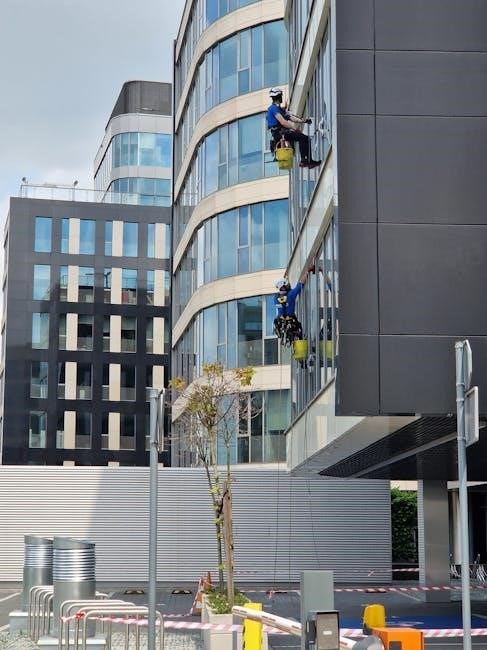
Facility Manager Roles and Responsibilities: A Comprehensive Overview
Facility Managers oversee daily mall operations, ensuring functionality, safety, and cleanliness, while shaping the visitor experience at this Saint Lucian destination․
Facility Management is a multifaceted discipline crucial for ensuring the seamless operation of buildings and their surrounding environments․ As demonstrated by the opening of a vibrant mall in Castries, Saint Lucia, the role is pivotal in creating immersive experiences for tenants and visitors․ Reporting directly to the Board of Directors, the Facility Manager assumes responsibility for the day-to-day functionality of the facility․
This encompasses maintaining high standards of safety, cleanliness, and overall operational efficiency․ The position, initially fixed-term and subject to performance review, demands a proactive approach to problem-solving and a commitment to fostering positive relationships with stakeholders․ Essentially, facility management is about optimizing the performance and longevity of physical assets, directly impacting the user experience and organizational success․
The Evolving Role of the Facility Manager
The Facility Manager’s role is dynamically evolving beyond traditional maintenance․ In the context of the new Saint Lucian mall, this means not just overseeing systems, but actively shaping the visitor experience and contributing to the immersive agro-tourism destination․ Initially focused on operational tasks – ensuring functionality and safety – the position now demands strategic thinking and stakeholder engagement․
The fixed-term nature of the role, tied to performance reviews, highlights an increasing emphasis on accountability and demonstrable results․ Modern Facility Managers are expected to be proactive in developing and implementing policies, managing security, and ensuring regulatory compliance․ This evolution necessitates a blend of technical expertise, interpersonal skills, and a forward-thinking approach to facility operations․
Core Responsibilities of a Facility Manager
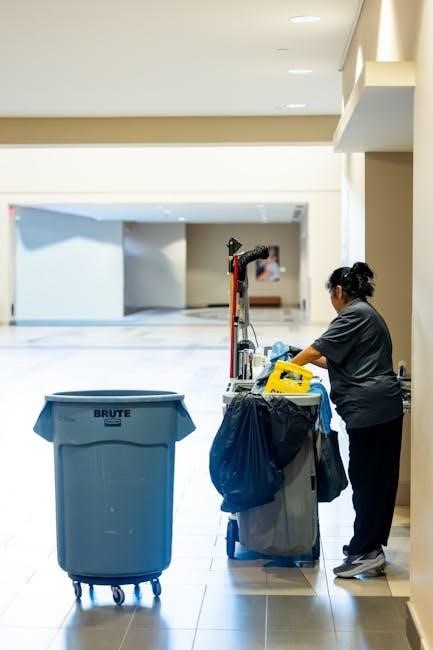
Core duties encompass overseeing daily operations, coordinating maintenance and repairs, developing policies, maintaining safety, liaising with tenants, and ensuring regulatory adherence․
Overseeing Daily Facility Operations
Daily oversight is paramount for a Facility Manager, demanding meticulous attention to ensure all systems and services within the mall function optimally․ This involves proactive monitoring of essential infrastructure, including electrical, HVAC, and plumbing systems, to prevent disruptions and maintain a comfortable environment for both tenants and visitors․
The role necessitates a swift response to any operational issues that arise, coordinating with maintenance teams to address repairs promptly and efficiently․ Furthermore, ensuring the mall’s physical appearance is consistently maintained to a high standard – encompassing cleanliness, landscaping, and overall aesthetic appeal – falls under this responsibility․ A key aspect is guaranteeing a seamless and positive experience for everyone frequenting the facility, contributing to its reputation as a premier agro-tourism destination․
Managing Maintenance and Repairs
Effective maintenance and repair management is crucial, requiring the Facility Manager to coordinate all necessary work within the mall․ This encompasses both preventative maintenance schedules – designed to proactively address potential issues – and reactive repairs responding to unexpected breakdowns or damages․ A key responsibility is managing and overseeing elevator compliance, ensuring passenger safety and adherence to regulations․
The role involves assessing the scope of repair work, obtaining quotes from qualified contractors, and supervising their activities to guarantee quality and timely completion․ Furthermore, meticulous record-keeping of all maintenance activities, including costs and schedules, is essential for budgetary control and future planning․ Renovations, when required, also fall under this purview, demanding careful project management to minimize disruption to tenants and visitors․
Developing and Implementing Facility Policies & Procedures
A core function of the Facility Manager is to establish and enforce comprehensive policies and procedures governing all aspects of mall operations․ These guidelines, defined and prescribed by the Board of Directors, ensure consistent standards of safety, cleanliness, and operational efficiency․ This includes protocols for everything from waste management and energy consumption to emergency response and security protocols․
Implementation requires clear communication of these policies to all tenants, staff, and contractors, alongside consistent monitoring to ensure compliance․ Regular review and updates are vital, adapting to changing regulations or operational needs․ The goal is to create a well-ordered environment that promotes a positive experience for both visitors and businesses, fostering a thriving agro-tourism destination․
Emergency, Health, and Safety Planning
The Facility Manager is critically responsible for developing and maintaining robust emergency, health, and safety, and disaster response plans for the entire mall facility․ This proactive approach ensures the well-being of tenants, visitors, and staff in the event of unforeseen circumstances, ranging from medical emergencies and fire hazards to natural disasters or security breaches․
These plans must detail evacuation procedures, first aid protocols, and communication strategies, alongside regular drills to test preparedness․ Maintaining a safe environment also involves adherence to local regulations and proactive hazard identification․ A comprehensive plan minimizes risk, protects lives, and safeguards the mall’s reputation as a secure and welcoming destination, vital for a positive visitor experience․

Stakeholder Management & Compliance
Facility Managers liaise with tenants and stakeholders, addressing concerns and maintaining positive relationships, while ensuring strict adherence to all local regulations․
Liaison with Tenants and Stakeholders
Effective communication is paramount for the Facility Manager, requiring consistent interaction with all mall tenants and relevant stakeholders․ This involves proactively addressing their concerns, responding to inquiries promptly, and fostering a collaborative environment․ The role necessitates building and maintaining positive working relationships to ensure tenant satisfaction and smooth operational flow․
A key aspect of this liaison duty is acting as a central point of contact for all facility-related matters․ This includes relaying important information regarding maintenance schedules, emergency procedures, and policy updates․ The Facility Manager must demonstrate excellent interpersonal skills, diplomacy, and a commitment to resolving issues efficiently and fairly․ Ultimately, successful stakeholder management contributes significantly to the overall success and positive reputation of the mall as a premier agro-tourism destination․
Ensuring Regulatory Compliance
A critical responsibility of the Facility Manager is guaranteeing full adherence to all applicable local regulations governing mall operations․ This encompasses a broad spectrum of areas, including safety standards, health codes, building codes, and any specific regulations pertaining to businesses like the cannabis dispensary located within the mall․
Proactive monitoring of regulatory changes and updates is essential, alongside implementing necessary adjustments to facility policies and procedures․ Maintaining accurate records of compliance documentation, inspections, and permits is also vital․ The Facility Manager must collaborate with relevant authorities and ensure the mall consistently meets or exceeds all legal requirements, mitigating potential risks and safeguarding the reputation of the Saint Lucian destination․
Operational Management & Security
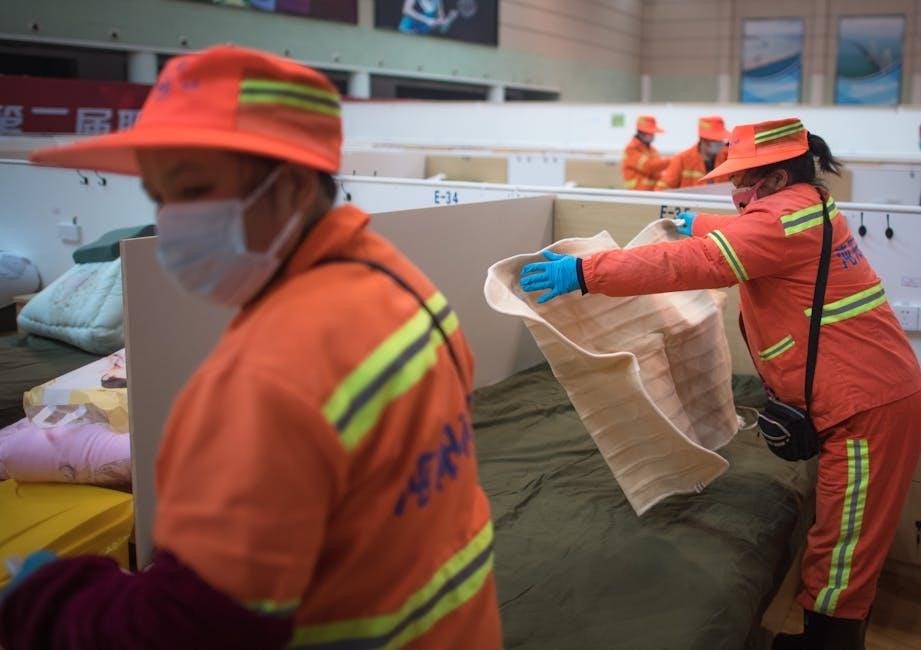
The Facility Manager manages security personnel and systems, oversees janitorial and landscaping, and ensures a safe and welcoming environment for all visitors․
Managing Security Personnel and Systems
The Facility Manager is fundamentally responsible for maintaining a secure environment within the mall, a critical aspect of operational success and visitor confidence․ This involves direct management of security personnel, encompassing hiring, training, scheduling, and performance evaluation to ensure a highly capable and responsive security team․
Furthermore, the role necessitates oversight of all security systems, including surveillance cameras, access control systems, alarm systems, and emergency communication networks․ Regular testing and maintenance of these systems are paramount, alongside proactive threat assessment and the development of security protocols to mitigate potential risks․
Effective coordination with local law enforcement and emergency services is also crucial, establishing clear communication channels and collaborative response plans․ Ultimately, the goal is to deter criminal activity, respond effectively to incidents, and safeguard the well-being of tenants, visitors, and property․
Overseeing Janitorial and Landscaping Services
A key responsibility of the Facility Manager is ensuring the mall consistently presents a clean, attractive, and welcoming appearance․ This is achieved through diligent oversight of both janitorial and landscaping services, demanding a high standard of cleanliness and aesthetic appeal throughout the entire property․
The Facility Manager will manage contracts with service providers, defining scope of work, monitoring performance against established standards, and addressing any deficiencies promptly․ This includes regular inspections to verify the thoroughness of cleaning, the maintenance of landscaping features, and the proper disposal of waste․
Maintaining a positive visitor experience relies heavily on these services, contributing significantly to the overall perception of the mall as a premier destination․ Proactive planning for seasonal changes and special events is also essential․
Budgeting and Cost Control in Facility Management
Effective financial management is a crucial aspect of the Facility Manager’s role, requiring careful budgeting and diligent cost control․ While the provided document doesn’t detail specific budgetary responsibilities, it’s implied through overseeing operations, maintenance, and vendor contracts․
The Facility Manager will likely be responsible for preparing and managing operational budgets, tracking expenses, and identifying opportunities for cost savings without compromising service quality or safety standards․ This includes negotiating favorable contracts with vendors for services like janitorial work, landscaping, and security․
Regular financial reporting to the Board of Directors, demonstrating responsible stewardship of resources, will be essential․ Proactive cost analysis and adherence to budgetary constraints are vital for the mall’s financial health․

Specific Areas of Facility Management
The Facility Manager coordinates maintenance, repairs, and elevator compliance, ensuring all systems function properly within the mall environment for optimal performance․
HVAC System Management
Although not explicitly detailed in the provided document, effective HVAC system management is implicitly crucial for a comfortable and welcoming mall environment․ The Facility Manager would be responsible for ensuring optimal performance of heating, ventilation, and air conditioning systems throughout the facility․ This includes regular inspections, preventative maintenance scheduling, and prompt response to any malfunctions or breakdowns․
Maintaining consistent temperature and air quality is paramount for tenant satisfaction and visitor comfort, directly impacting the immersive agro-tourism experience the mall aims to provide․ The manager must oversee contractors performing HVAC services, ensuring adherence to safety regulations and efficient energy usage․ Proactive management minimizes disruptions, reduces energy costs, and extends the lifespan of the HVAC equipment, contributing to the mall’s overall operational efficiency and positive visitor perception․
Electrical System Management
While the source document doesn’t specifically mention electrical systems, a Facility Manager’s role inherently includes comprehensive oversight of all electrical infrastructure within the mall․ This encompasses ensuring the reliable and safe operation of power distribution, lighting, and emergency systems․ Regular inspections are vital to identify potential hazards, such as overloaded circuits or damaged wiring, preventing disruptions to tenant businesses and visitor experiences․
The manager would coordinate preventative maintenance, including testing of backup generators and UPS systems, to guarantee uninterrupted power supply․ They’d also manage contractors for electrical repairs and upgrades, ensuring compliance with local regulations and safety standards․ Efficient electrical system management minimizes energy consumption, reduces operational costs, and safeguards the mall’s assets, contributing to a secure and welcoming environment for all․
Plumbing System Management
Although the provided document doesn’t explicitly detail plumbing responsibilities, a Facility Manager is fundamentally accountable for the mall’s entire plumbing infrastructure․ This includes maintaining water supply, drainage, and sanitation systems to ensure a comfortable and hygienic environment for tenants and visitors․ Proactive leak detection and prompt repair of plumbing issues are crucial to prevent water damage and conserve resources․
The manager would oversee regular inspections of pipes, fixtures, and water heaters, coordinating with qualified plumbers for maintenance and repairs․ Ensuring compliance with health and safety regulations regarding water quality and waste disposal is paramount․ Effective plumbing system management minimizes water wastage, reduces operational costs, and contributes to the overall positive experience within the Saint Lucian destination mall, upholding high standards of cleanliness and functionality․
Elevator Compliance and Maintenance
The Facility Manager’s role explicitly includes managing and coordinating “elevator compliance and renovations as needed,” as outlined in the job description․ This necessitates a proactive approach to ensuring all elevators within the mall adhere to stringent safety regulations and local codes․ Regular preventative maintenance is critical, involving scheduled inspections, lubrication, and component replacements to minimize downtime and ensure passenger safety․
The manager will likely contract with a qualified elevator maintenance company, overseeing their work and maintaining detailed records of all inspections and repairs․ Staying current with evolving elevator safety standards and coordinating necessary upgrades or modernizations are also key responsibilities․ Prioritizing elevator functionality and safety directly contributes to a positive visitor experience and demonstrates a commitment to a secure environment within the Saint Lucian destination mall․

Advanced Facility Management Skills
Facility Managers must develop and implement policies, maintain emergency plans, and liaise with tenants – skills vital for this Saint Lucian mall position․
Space Planning and Management
Although not explicitly detailed in the provided document, effective space planning and management are implicitly crucial for a Facility Manager overseeing a vibrant mall environment; This role necessitates optimizing the layout of diverse businesses – agro-processors, internet cafes, clothing stores, and even a cannabis dispensary – to maximize visitor flow and enhance the immersive agro-tourism experience․
The Facility Manager must strategically allocate space to ensure tenant success and create a welcoming atmosphere․ This includes considering accessibility, visibility, and the overall aesthetic appeal of the mall․ Proactive space management also involves anticipating future needs and adapting the layout as businesses evolve or new tenants arrive․ Efficient space utilization directly contributes to the mall’s profitability and its reputation as a premier Saint Lucian destination, shaping the overall visitor experience․
Vendor Management and Contract Negotiation
The provided job description doesn’t directly mention vendor management, but it’s intrinsically linked to the Facility Manager’s responsibilities․ Overseeing janitorial and landscaping services, maintenance, repairs, and security systems all require effective vendor relationships․ The Facility Manager must skillfully negotiate contracts with service providers to ensure high-quality work at competitive prices․
This includes defining clear service level agreements (SLAs), monitoring performance, and addressing any issues promptly․ Strong negotiation skills are vital for securing favorable terms and conditions, ultimately contributing to cost control and efficient facility operations․ Managing these vendor relationships is crucial for maintaining the mall’s standards of safety, cleanliness, and overall appeal, directly impacting the visitor experience and tenant satisfaction․
Disaster Recovery and Business Continuity Planning
A key responsibility of the Facility Manager, as outlined in the job description, is to “develop and maintain emergency, health and safety and disaster response plans for the facility․” This encompasses creating comprehensive strategies to mitigate risks and ensure business continuity in the event of unforeseen circumstances․
These plans must address potential scenarios, including natural disasters, security breaches, and health emergencies, outlining procedures for evacuation, communication, and recovery․ The Facility Manager will collaborate with stakeholders to develop and regularly test these plans, ensuring they are effective and up-to-date․ Proactive planning minimizes disruption, protects tenants and visitors, and safeguards the mall’s reputation as a premier destination․

The Future of Facility Management
Future trends aren’t explicitly mentioned in the provided document, but the role demands adaptability to maintain a safe, functional, and welcoming mall environment․
Technology Integration in Facility Management (CMMS)
The provided job description for a Facility Manager doesn’t directly address Computerized Maintenance Management Systems (CMMS) or specific technology integrations․ However, considering the scope of responsibilities – overseeing daily operations, managing maintenance and repairs, and ensuring compliance – the effective implementation of technology is implicitly crucial․
A CMMS would be invaluable for streamlining maintenance requests, scheduling preventative maintenance for systems like HVAC and elevators, tracking repair history, and managing vendor performance․ This proactive approach, facilitated by technology, would contribute significantly to maintaining the mall’s high standards of safety and cleanliness․ Furthermore, digital systems would aid in efficient emergency, health, and safety planning, and disaster response coordination, ensuring a secure environment for tenants and visitors․ While not explicitly stated, technology is a vital enabler for a modern Facility Manager․

Sustainability and Green Building Practices
The provided Facility Manager job description for the Saint Lucian mall doesn’t explicitly mention sustainability or green building practices․ However, a modern facility manager’s role increasingly encompasses these considerations, even within a document focused on core operational duties․ Maintaining a welcoming environment and positive visitor experience can be enhanced through sustainable initiatives․
Implementing energy-efficient systems within the HVAC and electrical systems, responsible water usage in plumbing, and eco-friendly landscaping practices would align with broader environmental goals․ While the document prioritizes immediate operational needs, a forward-thinking Facility Manager could propose and implement such practices, contributing to the mall’s long-term viability and positive community image․ This proactive approach, though not mandated, adds value․
Performance Measurement and Reporting
The provided Facility Manager job description highlights a fixed-term contract subject to performance review by the Board of Directors․ However, it doesn’t detail how performance will be measured or what reporting structures are in place․ A crucial aspect of the role, implicitly, is demonstrating successful oversight of daily operations, maintenance coordination, and policy implementation․
Effective performance measurement would likely involve tracking key performance indicators (KPIs) related to operational efficiency, tenant satisfaction, safety compliance, and cost control․ Regular reporting to the Board, detailing these KPIs and any challenges encountered, is essential․ While the document focuses on responsibilities, a robust performance framework is vital for contract renewal and demonstrating the Facility Manager’s value to the mall’s success․